
Introduction
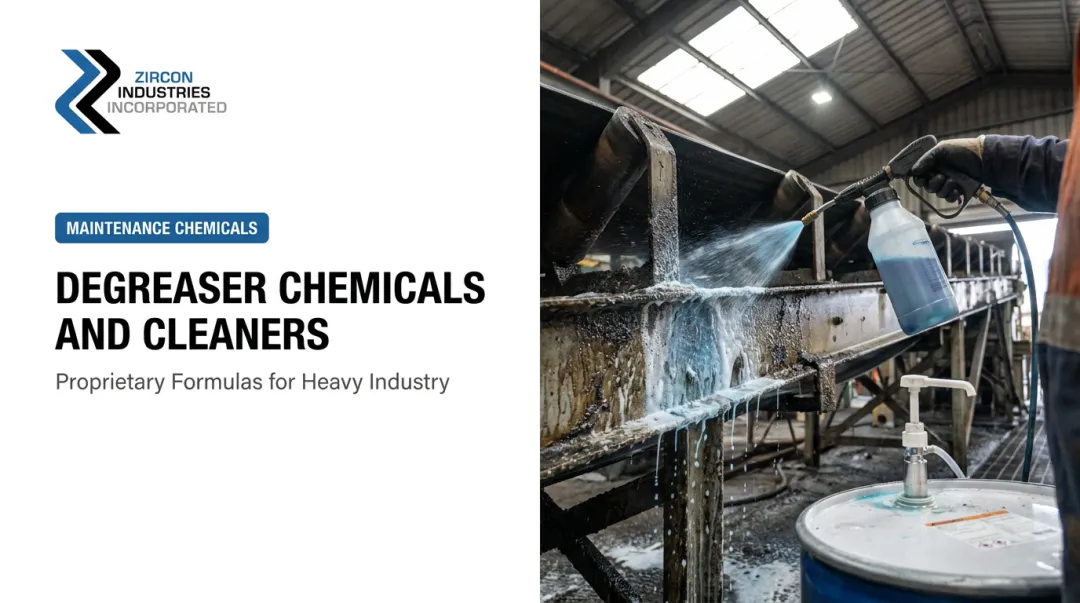
Walk into almost any shop, mine site, or maintenance bay and you'll find a jug of heavy duty degreaser within arm's reach. It's one of the most-used industrial chemicals on the floor, and one of the least understood.
The Safety Data Sheet that comes with it often gets skimmed, filed, or ignored entirely. That's a problem. Missing or outdated SDS documentation is a recurring source of OSHA Hazard Communication citations. Skipped PPE guidance leads to preventable skin, eye, and respiratory injuries.
This guide breaks down what a heavy duty degreaser SDS actually contains, the hazards it flags, and how to use that information to choose and handle products more safely.
Key Takeaways
- SDS documents are OSHA-required and follow a standard 16-section GHS format
- Hazard profiles vary by formula: skin/eye irritation, flammability, and aquatic toxicity
- Sections 7–8 (handling, storage, exposure controls) matter most for daily injury prevention
- Solvent-based, citrus-based, and micellular degreasers carry different SDS hazard ratings
What Is a Safety Data Sheet (SDS) and Why It Matters for Heavy Duty Degreasers
An SDS is a standardized technical document that identifies a chemical product's hazards, safe handling requirements, and emergency response information. For heavy duty degreasers, it's the single most reliable source for knowing what you're actually working with. Marketing copy on the label is not a substitute.
The legal foundation is OSHA's Hazard Communication Standard, 29 CFR 1910.1200, which requires an SDS for any hazardous chemical employees may be exposed to during normal use or in a foreseeable emergency.
OSHA aligned this standard with the UN Globally Harmonized System back in 2012, and a 2024 final rule updated it further to match GHS Revision 7.
Responsibility breaks down clearly:
- Manufacturers and importers must develop or obtain an SDS for every hazardous chemical they produce
- Distributors must pass that SDS downstream with shipments
- Employers must keep a current SDS on-site for every hazardous chemical used, accessible to employees during every shift
Where and How to Access a Current SDS
Before you buy, request the SDS directly from the manufacturer or supplier. Don't rely on an old copy from a previous order, since formulations change, and an outdated SDS can list the wrong hazard classification, wrong PPE, or wrong first-aid steps.
Check Section 16 for the preparation or revision date. If it doesn't match the current product batch, ask for the updated version before it ships.
The compliance risk is real. OSHA's Hazard Communication standard remains a fixture on the agency's list of most frequently cited violations year after year, and current maximum penalties reach $16,550 per serious violation and $165,514 per willful or repeated violation.
A missing or outdated SDS binder is one of the easiest citations to prevent.

The 16 GHS-Aligned Sections of a Heavy Duty Degreaser SDS Explained
Every compliant SDS follows the same 16-section GHS order, regardless of manufacturer. Sections 1-11 and 16 are mandatory under OSHA; Sections 12-15 fall under other regulatory bodies but still appear on virtually every commercial SDS. For anyone handling the product, first aid, fire and spill response, and handling/PPE sections matter most day to day.
Sections 1-4: Identification, Hazards, Composition & First Aid
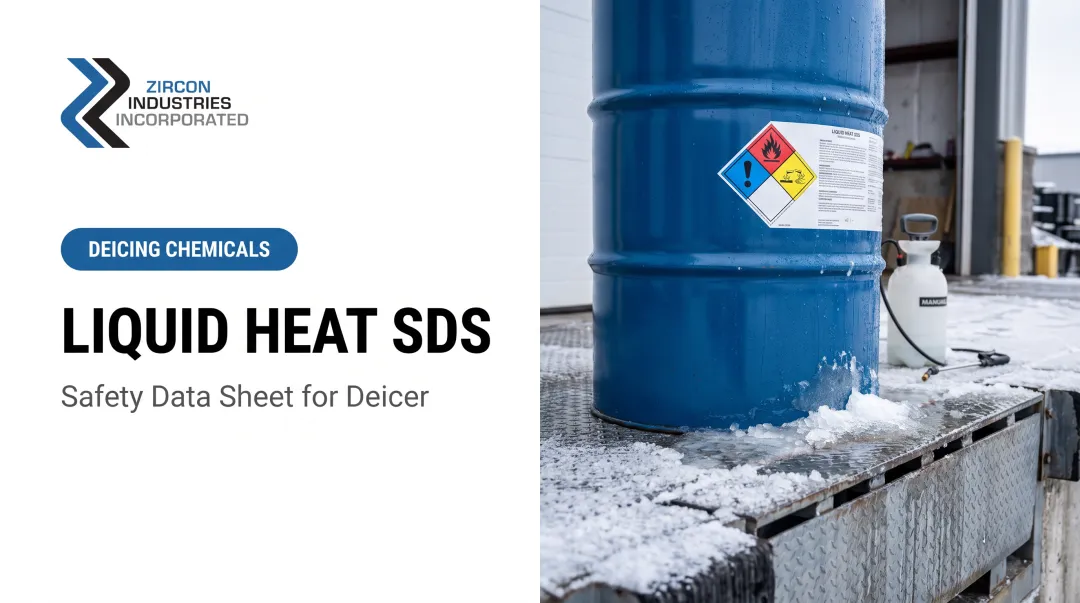
This opening block covers the product identifier, manufacturer or supplier contacts, GHS pictograms and signal words, and ingredient composition. Section 4 lays out first-aid steps for:
- Skin contact
- Eye exposure
- Inhalation
- Accidental ingestion
Workers should know this section before an incident happens, not after one.
Sections 5-8: Fire Response, Spill Handling & Storage
Section 5 identifies appropriate firefighting media for the degreaser chemistry—foam, dry chemical, or CO2—based on flammability class. Section 6 covers spill containment and cleanup.
Sections 7 and 8 focus on preventing incidents before they start:
- Safe handling practices and storage temperature ranges
- Ventilation requirements and incompatible materials
- Required personal protective equipment (PPE)
These four sections do the most day-to-day work in preventing injury.
Sections 9-11: Physical Properties, Stability & Health Effects
Here you'll find flash point, pH, VOC content, reactivity warnings, and toxicological data covering both acute and chronic exposure effects. These numeric values vary significantly by product formulation. Always pull the actual figures from the current SDS rather than assuming they match a similar product.
Sections 12-16: Environmental, Regulatory & Disposal Information
The final block covers ecological impact data, disposal considerations, transport classification, and applicable regulatory references. Section 16 carries the preparation or revision date. Check that date first to confirm the document is current.
Common Hazards Identified in Heavy Duty Degreaser Safety Data Sheets
Hazard profiles vary widely across degreaser chemistries. These hazards show up most often on SDS documents:
- Skin and eye irritation: Many degreasers carry H315 or H319 (GHS Category 2). Not the most severe classes, but gloves and eye protection are still required every time.
- Flammability: Solvent-based products often fall under OSHA flammable liquid Category 1 or 2 (29 CFR 1910.106), with flash points below 73.4°F. Water-based and citrus-based formulas often have no flash point, or a much higher one.
- Inhalation hazards: VOC content drives risk. Xylene’s OSHA PEL is 100 ppm over an 8-hour shift; toluene sits at 200 ppm TWA with a 300 ppm ceiling. For petroleum distillate blends, check Section 3 and Section 8 on the product SDS.
- Aquatic toxicity: GHS categories in Sections 2 and 12 drive disposal rules. Spent solvents can trigger EPA hazardous waste listings (F001, F003, F005), which affects cost and liability.
Not every degreaser carries this full hazard load. Citrus-based and micro-micellular formulations built on dextro-limonene and mixed ionic emulsifiers, rather than petroleum distillates, often lower several of these hazard classifications. Confirm that on the document itself: Section 2 hazard statements and the Section 9 flash point tell you more than any claim on the front label.
Compare SDS documents side by side rather than assuming every degreaser shares the same risk profile.

Safe Handling, Storage & PPE Requirements
Section 8 of the SDS is where PPE requirements live, and they shift depending on the hazard classification above it. Typical specifications include:
- Chemical-resistant gloves (nitrile or neoprene, depending on the solvent system)
- Splash goggles or full face shields for products with eye-irritation classifications
- Respiratory protection when VOC content or ventilation conditions warrant it
- Protective clothing for extended or high-volume handling
Storage and Spill Response
Section 7 storage guidance typically specifies a temperature range, ventilation needs, and materials that must be kept separate. Storing strong oxidizers near a flammable solvent-based degreaser is a common incompatibility flag.
Section 6 spill procedures usually call for:
- Absorbent material
- Containment barriers
- Proper collection before disposal
Always follow the specific product's SDS rather than a generic industry assumption, since these details change by formulation.
Training and Access
OSHA requires HazCom training at initial assignment and whenever a new chemical hazard is introduced. SDS binders, physical or digital, must stay accessible to every employee during every shift, with no barrier to immediate access.
Facilities handling bulk degreaser volumes should also plan for secondary containment and automated dispensing systems. Beyond spill prevention, these systems cut down on product waste and reduce how often workers handle open containers.
Choosing a Safer, High-Performance Heavy Duty Degreaser
Not every heavy duty degreaser needs to carry a flammability warning or a skin-corrosion classification to get the job done. Lower-hazard formulations generally share a few traits:
- Reduced or no VOC content
- Biodegradable surfactants instead of petroleum distillates
- Fewer GHS pictograms on the label
- No sacrifice in actual grease-cutting performance
Read those traits off the SDS rather than the marketing panel. Section 2 gives you the hazard statements and pictograms, Section 3 tells you whether petroleum distillates are in the mix, Section 9 carries the flash point and VOC content, and Section 12 covers aquatic toxicity. Two products that look interchangeable on a shelf can land in very different places across those four sections.
One caution: "citrus-based" and "biodegradable" are not hazard classifications. Plenty of limonene-based degreasers still carry a combustible-liquid rating and an eye-irritation statement. Biodegradability describes environmental fate after disposal—it says nothing about what the product does to skin, eyes, or lungs during use.
Whatever product you land on, request the full current SDS before purchase, not after. Suppliers like DirectChem provide compliant SDS documentation with every order and can walk buyers through the technical details before they commit to a formulation. That conversation upfront is a lot cheaper than an OSHA citation or a workplace injury later.
Frequently Asked Questions
What is a Safety Data Sheet (SDS) and is it required by law?
An SDS is the standardized document that lists a chemical's hazards, safe handling rules, and emergency response steps. Yes — SDS documents are legally required under OSHA's Hazard Communication Standard, 29 CFR 1910.1200.
What are the 16 sections of an SDS?
The 16 SDS sections cover product identity and hazards; composition; first-aid, firefighting, and spill response; handling, storage, and exposure controls; physical/chemical and stability data; toxicology and ecological information; and disposal, transport, regulatory details, and revision history.
Is heavy duty degreaser flammable?
It depends on formulation. Solvent-based degreasers often have low flash points and carry flammable-liquid classifications, while citrus-based or water-based alternatives often have no flash point.
What PPE should I wear when using a heavy duty degreaser?
Section 8 typically calls for chemical-resistant gloves, splash goggles or a face shield, and respiratory protection when VOC levels or ventilation require it. Always check the specific product's SDS.
Where can I get the SDS for a specific degreaser product?
Manufacturers and distributors must provide a current SDS upon request, and most post them on their websites. DirectChem includes an SDS with every order and provides copies on request via email.
How often should an SDS be updated?
Whenever a formulation or hazard classification changes. Check the revision date in Section 16 to confirm you have the current version.